ABOUT DEATH ROW DESIGNS
We make stuff. A frankly unreasonable amount of stuff.
Death Row Designs — DRD if you don’t have all day — has been making things for Second Life since 2007.
It started with Jaimy Hancroft making clothing in Photoshop, wandered into sculpted accessories, took a sharp turn into mesh, and somewhere along the way became a giant warehouse full of furniture, buildings, weird props, questionable ideas and several thousand products nobody can completely keep track of anymore.
We’ve never been particularly good at sticking to one theme.
Rusty post-apocalyptic ruins? Sure.
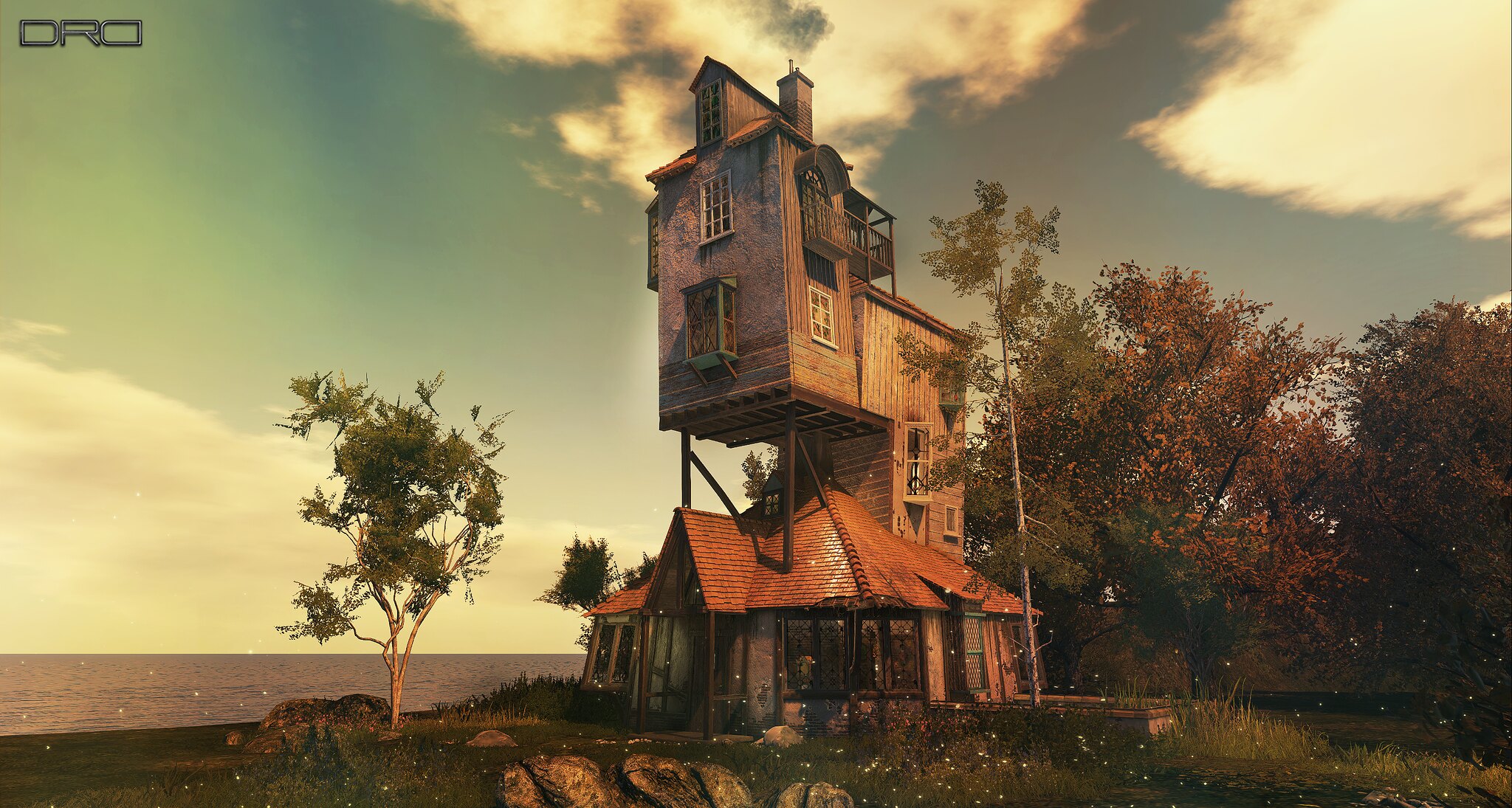
A cozy farmhouse? Yep.
Gothic furniture? Obviously.
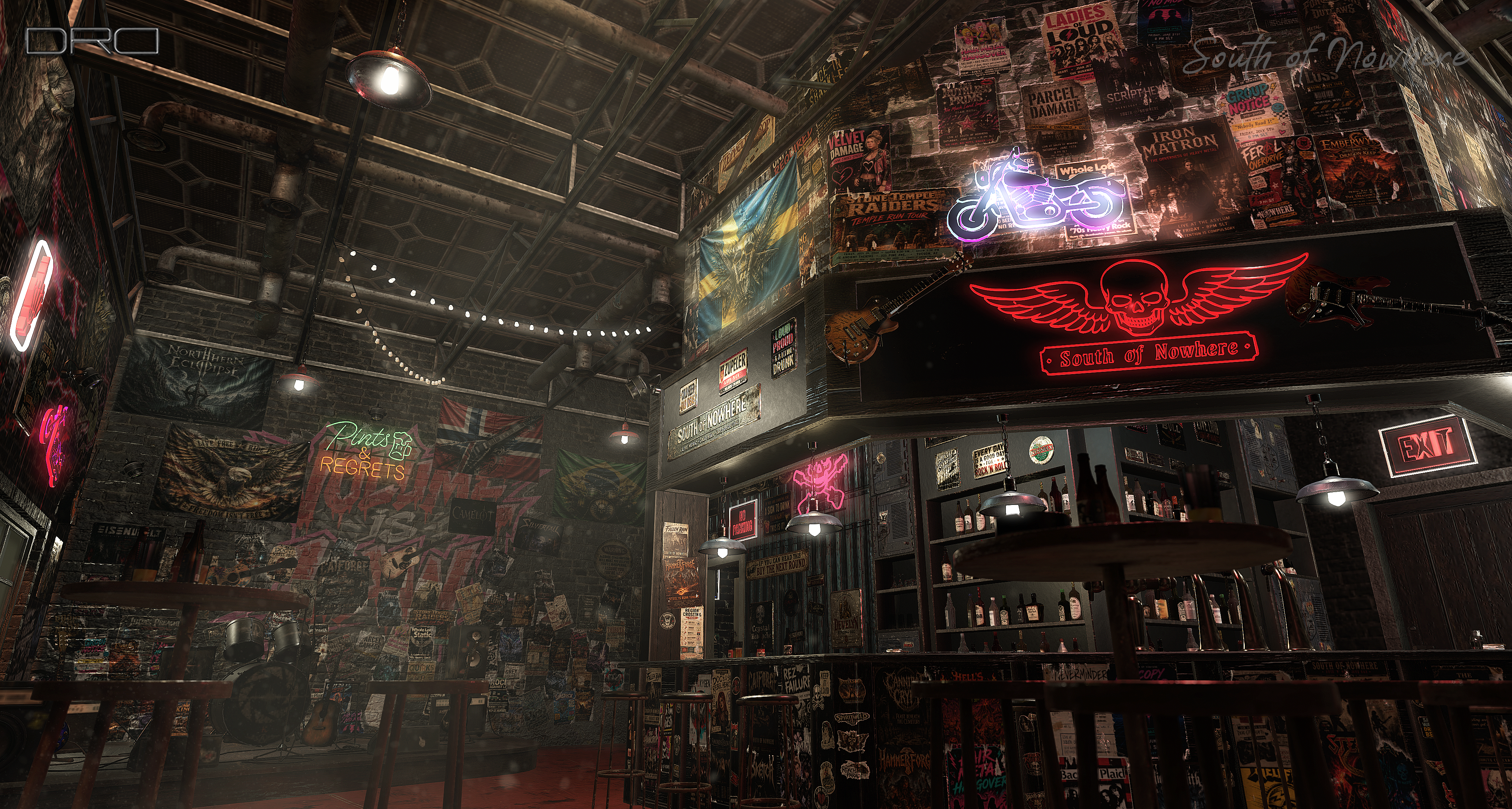
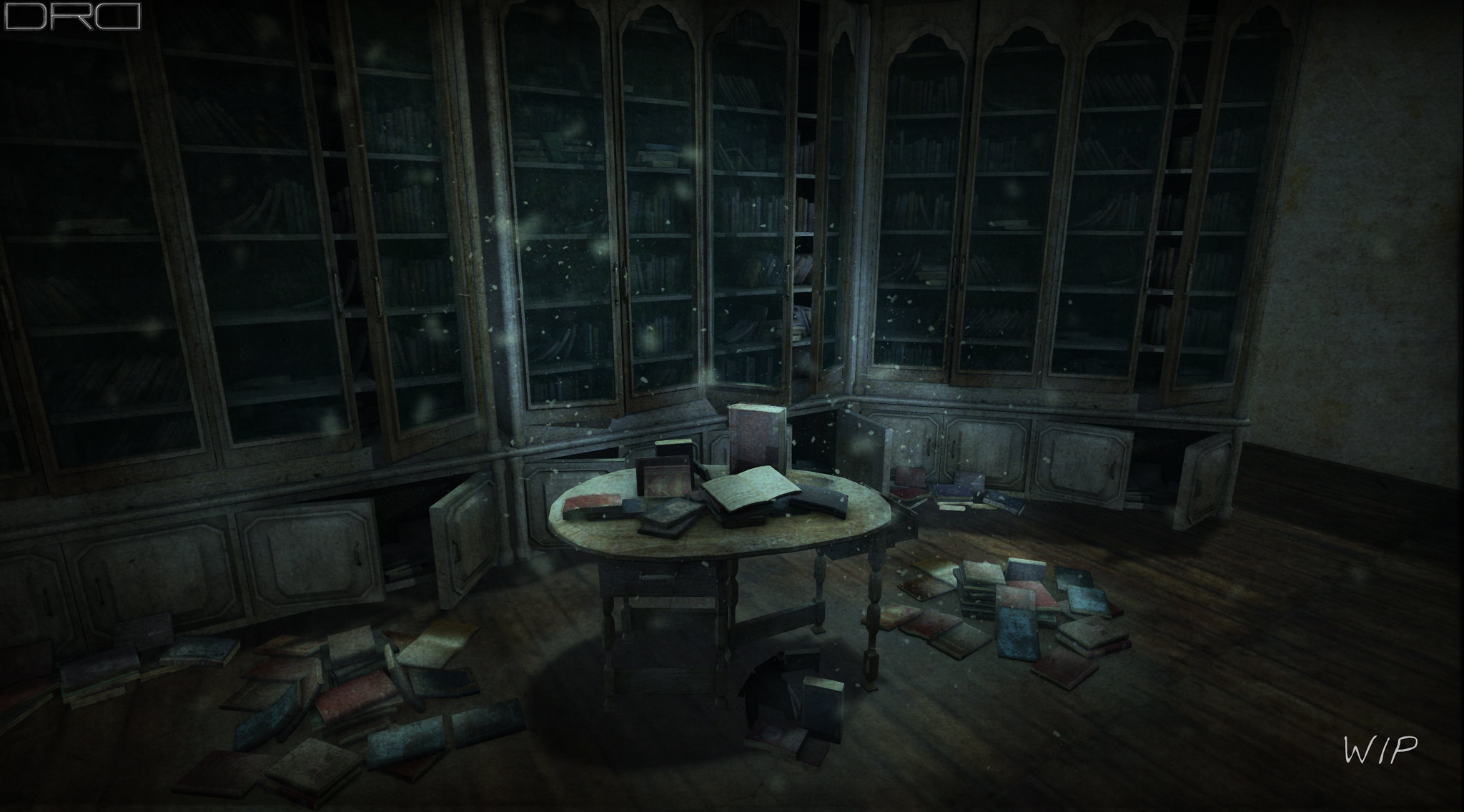
A serial-killer motel, haunted orphanage or suspiciously detailed pub? Also yes.
If we think it would be fun to build, there’s a reasonable chance it eventually ends up in DRD.
THE FOUNDATION
DRD has always been about making things that feel like they belong somewhere.
Not just a chair, but the chair that looks like it has survived three owners, a house fire and possibly a murder investigation.
Not just a building, but somewhere you can actually imagine a story happening.
As mesh became part of Second Life, Jaimy was joined by her sister Eowyn Swords, and DRD grew from smaller accessories into furniture, buildings, environments and increasingly elaborate collections.
The tools have changed a lot since 2007.
The goal really hasn’t:
Make interesting shit people want to play with.
FROM PRODUCTS TO PLACES
At some point, apparently simply selling products wasn’t enough work.
DRD started building full experiences.
The hunts became less about “find the hidden object and receive a prize” and more about wandering through places filled with stories, puzzles, characters, secrets and an alarming amount of custom scenery that Jaimy will inevitably decide needs rebuilding three days before opening.
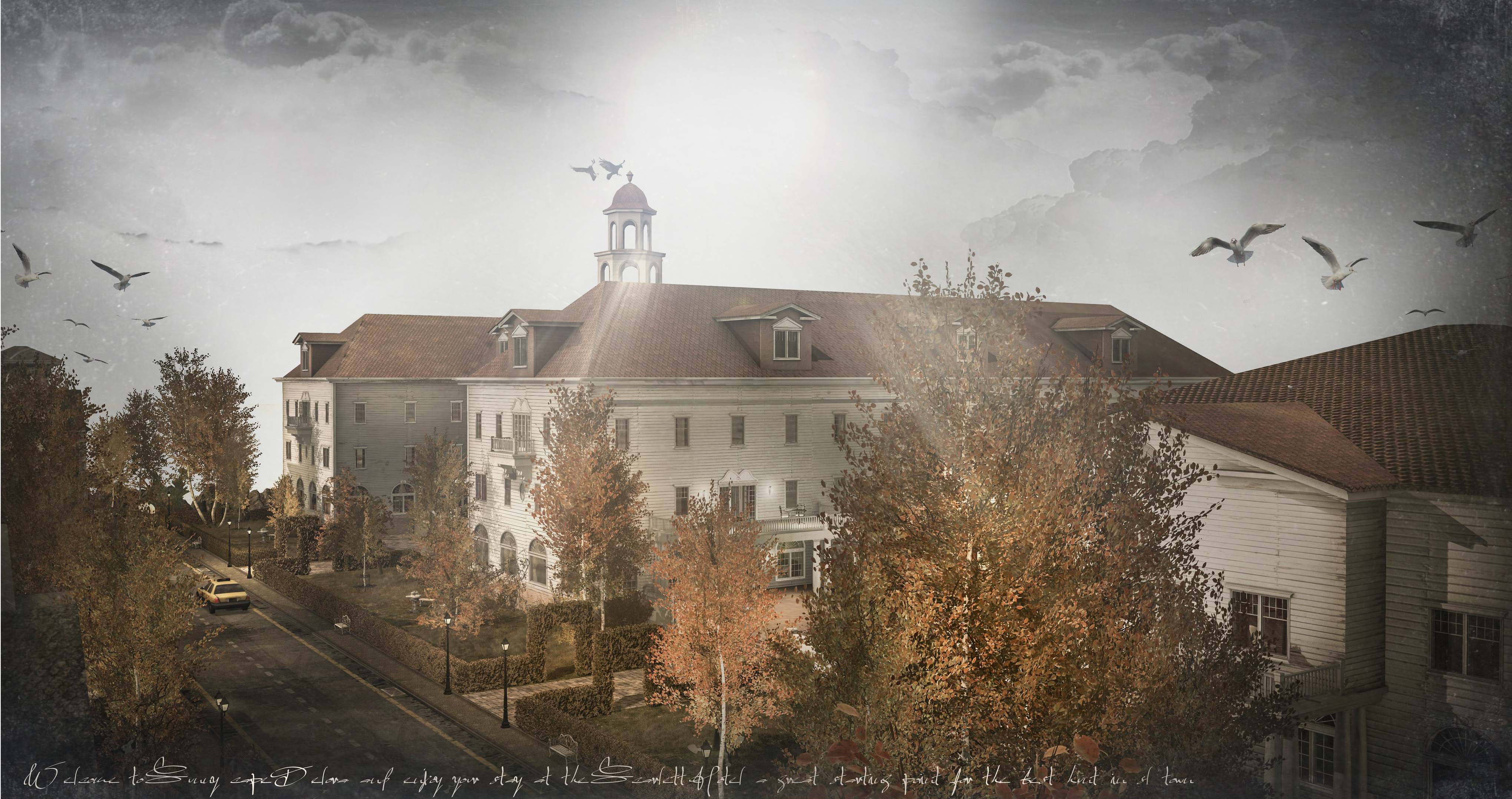
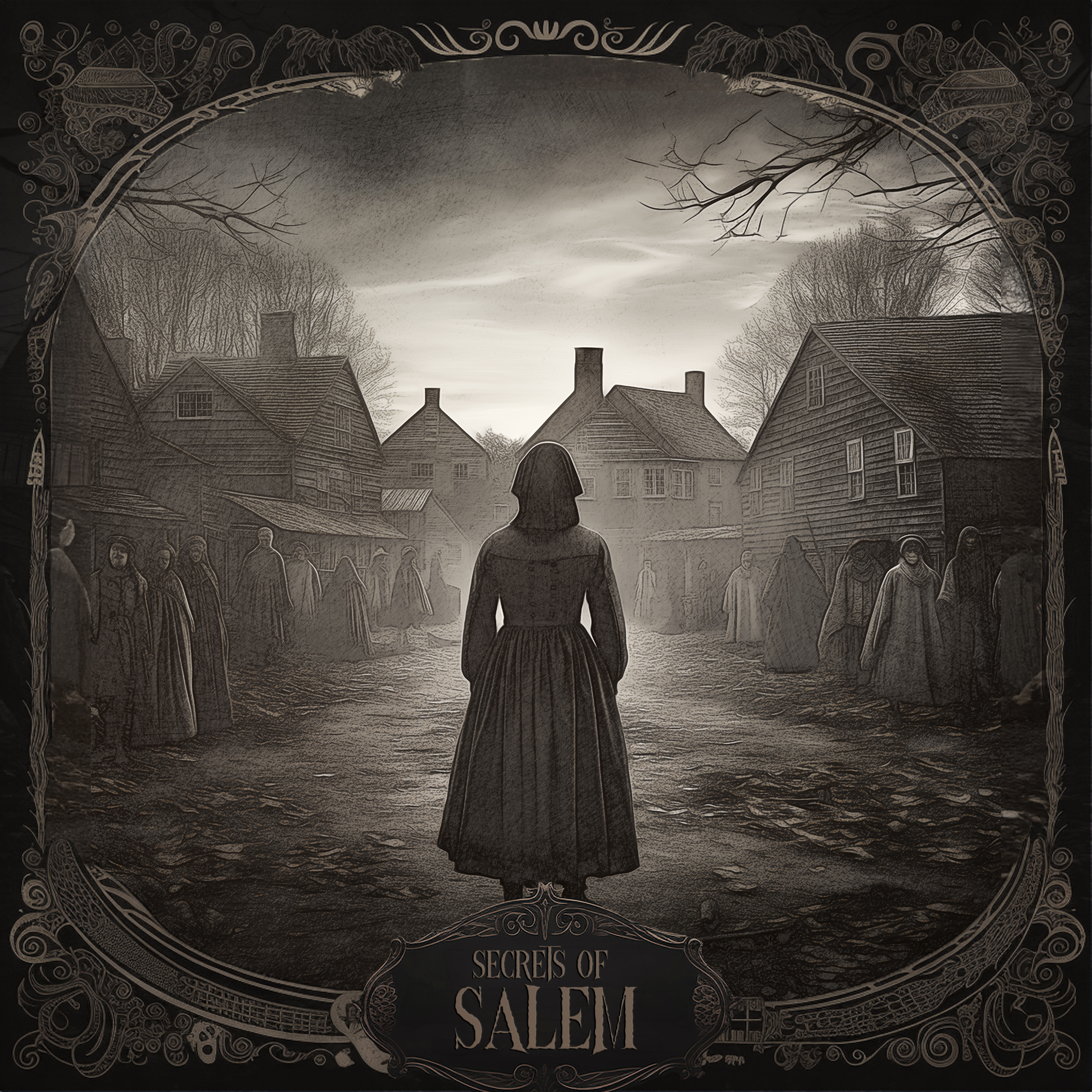
Experiences like The Scarlett Hotel, Nightmare at Elmcreek, and everything that followed changed how we thought about DRD.
They gave us somewhere to throw together everything we love — building, scripting, storytelling, horror, ridiculous details and occasionally making people suffer through puzzles.
These experiences now return as naturally as the products themselves.
And yes, we keep making them far too complicated.
We have learned nothing.
BUILT FOR PLAY
We’ve always liked things people can actually do something with.
Roleplay in it.
Photograph it.
Tear it apart and modify it.
Turn it into something completely different from what we intended.
A DRD set might become somebody’s home, roleplay sim, haunted attraction, crime scene, wedding venue, filthy alleyway or extremely questionable bedroom.
Once it leaves our hands, that part is up to you.
That’s half the fun.
STILL HERE. STILL MAKING WEIRD SHIT.
After nearly two decades, DRD is bigger, stranger and considerably harder to organise than the little store it started as.
There’s a crew of creators, scripters, support gremlins and people somehow keeping the machinery running behind it all — you can meet those unfortunate souls over on Meet the Crew.
And we’re still doing what we’ve always done:
Building things we would want to find in Second Life ourselves.
Sometimes beautiful.
Sometimes filthy.
Sometimes creepy.
Sometimes completely unnecessary.
Usually all four.
Welcome to Death Row Designs.